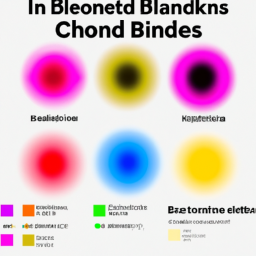
Understanding the Different Types of Colour Blindness and How to Identify Them
Colour blindness, also known as color vision deficiency, is a condition that affects a person’s ability to perceive and distinguish between different colors. It is estimated that approximately 8% of men and 0.5% of women worldwide have some form of color blindness. While it may not seem like a significant number, it can have a significant impact on a person’s daily life, especially when it comes to tasks that require color differentiation, such as driving, cooking, or choosing clothes.
There are three main types of color blindness: red-green, blue-yellow, and complete color blindness. Each type is caused by a different genetic mutation that affects the light-sensitive cells in the retina, called cones. These cones are responsible for detecting red, green, and blue light, which are the primary colors that our brain uses to create the full spectrum of colors that we see.
Red-green color blindness is the most common type, affecting about 8% of men. It is further divided into two subtypes: protanopia and deuteranopia. Protanopia is the inability to perceive red light, while deuteranopia is the inability to perceive green light. People with red-green color blindness may have trouble differentiating between shades of red, green, and brown. They may also have difficulty distinguishing between blue and purple, as these colors can appear similar to them.
Blue-yellow color blindness, also known as tritanopia, is the rarest type, affecting only 0.5%
The Importance of Regular Colour Blindness Testing and How to Conduct a Self-Examination
Colour blindness, also known as color vision deficiency, is a condition that affects millions of people worldwide. It is a genetic disorder that causes individuals to have difficulty distinguishing between certain colors, most commonly red and green. This can have a significant impact on daily life, from difficulties in reading traffic lights to challenges in choosing matching clothing.
Regular colour blindness testing is crucial for individuals to understand their condition and manage it effectively. It is recommended that everyone, especially males, undergo a colour blindness test at least once in their lifetime. This is because colour blindness is more prevalent in males, with approximately 8% of men being affected compared to only 0.5% of women.
One of the most common methods of testing for colour blindness is the Ishihara test. This test consists of a series of plates with colored dots arranged in a specific pattern. The individual being tested is asked to identify the number or shape hidden within the dots. Those with normal color vision will be able to see the number or shape clearly, while those with color blindness will struggle to identify it.
However, not everyone has access to a professional color blindness test. In such cases, conducting a self-examination can be a useful alternative. Here are some steps to follow for a self-examination:
1. Use a color blindness test chart: There are several color blindness test charts available online that can be used for self-examination. These charts are similar to the Ishihara test and can help identify any color vision deficiencies.
Exploring the Various Methods for Diagnosing Colour Blindness: From Ishihara Tests to Genetic Screening
Colour blindness, also known as color vision deficiency, is a condition that affects a significant portion of the population. It is a genetic disorder that impairs a person’s ability to distinguish between certain colors, most commonly red and green. This can have a significant impact on a person’s daily life, from difficulties in reading and learning to challenges in certain professions such as graphic design or aviation. Therefore, early diagnosis and management of color blindness are crucial for individuals to lead a normal life.
There are various methods for diagnosing color blindness, each with its own advantages and limitations. The most commonly used method is the Ishihara test, which was developed by Dr. Shinobu Ishihara in 1917. This test consists of a series of plates with colored dots arranged in a specific pattern. The person being tested is asked to identify the number or shape hidden within the dots. Those with normal color vision can easily see the number or shape, while those with color blindness may struggle to identify it.
The Ishihara test is widely used because it is simple, quick, and cost-effective. However, it has its limitations. It can only detect red-green color blindness and cannot differentiate between different types of color blindness. It also relies on the person being tested to have good vision and be able to accurately identify the numbers or shapes.
Another method for diagnosing color blindness is the Farnsworth-Munsell 100 Hue Test. This test is more comprehensive and can detect various types of
Tips for Accommodating Colour Blindness in Daily Life: From Choosing Appropriate Clothing to Using Colour-Correcting Tools
Colour blindness, also known as colour vision deficiency, is a condition that affects approximately 1 in 12 men and 1 in 200 women worldwide. It is a genetic condition that causes individuals to have difficulty distinguishing between certain colours, most commonly red and green. This can make daily tasks such as choosing clothing or using technology challenging for those with colour blindness. However, with some simple tips and accommodations, individuals with colour blindness can navigate their daily lives with ease.
1. Understand the Different Types of Colour Blindness
The first step in accommodating colour blindness is to understand the different types of colour vision deficiency. The most common type is red-green colour blindness, where individuals have difficulty distinguishing between shades of red and green. However, there are also other types, such as blue-yellow colour blindness and total colour blindness. By understanding the specific type of colour blindness an individual has, it becomes easier to make appropriate accommodations.
2. Choose Clothing with Care
Choosing clothing can be a daunting task for individuals with colour blindness. It is essential to choose colours that contrast well with each other, making it easier to distinguish between them. For example, pairing a light-coloured shirt with dark-coloured pants can help individuals with red-green colour blindness differentiate between the two. It is also helpful to avoid patterns that use similar shades of colours, as this can be confusing for those with colour blindness.
3. Use Colour-Correcting Tools
In today’s digital age, there are many tools available to help individuals.